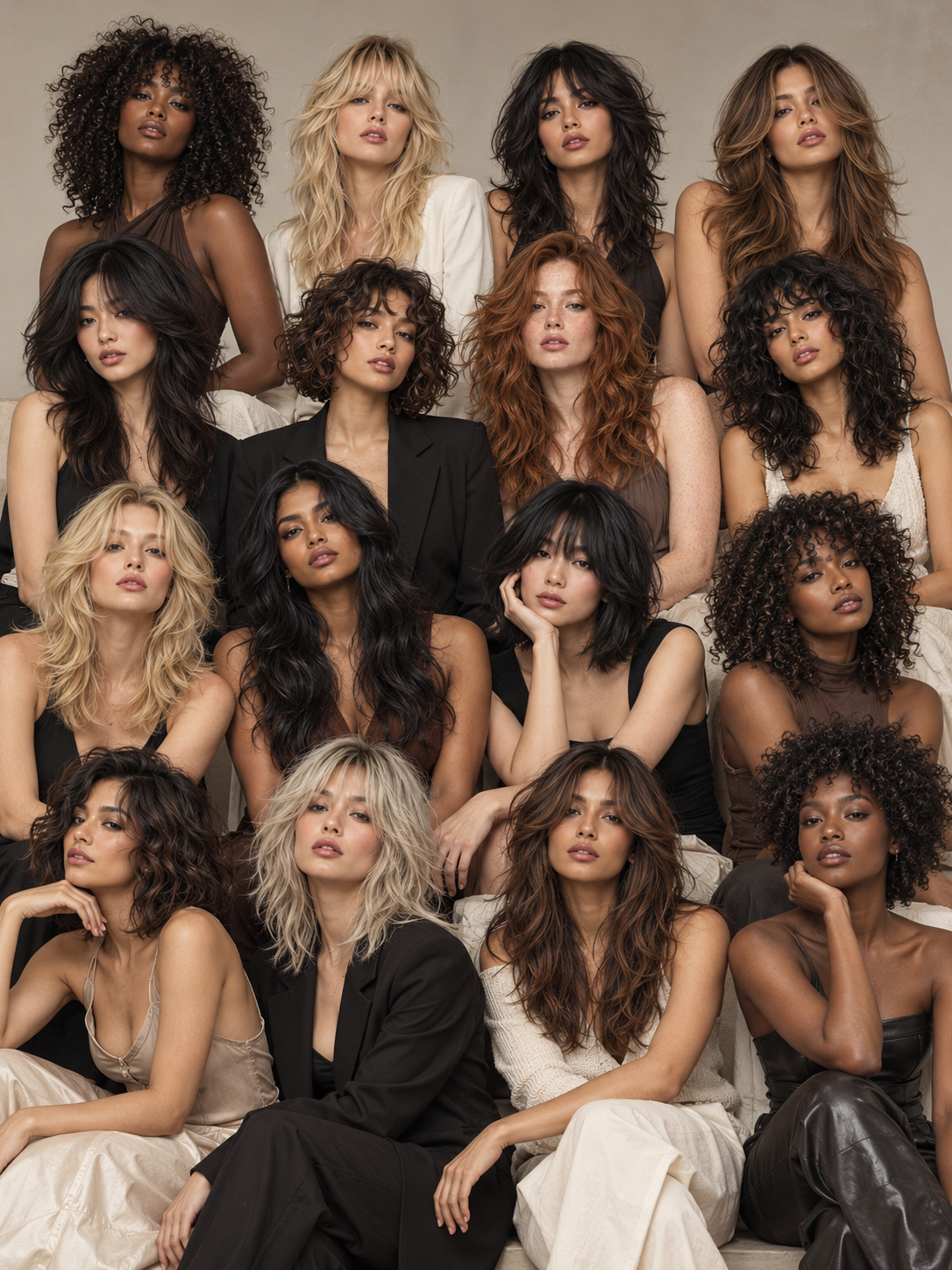
Textured layers and shag hairstyles have become popular choices for people who want haircuts that combine volume, movement, and natural beauty. These hairstyles are known for their soft, uneven layers, feathered ends, and relaxed appearance. Unlike traditional one-length haircuts, textured layers create dimension and allow the hair to move freely. Shag hairstyles take this concept further by incorporating multiple layers, often combined with bangs or face-framing sections, to produce a fashionable, slightly messy look.
One of the greatest advantages of textured layers and shags is their versatility. They can be adapted to short, medium, and long hair and customized for straight, wavy, or curly textures. Whether someone prefers a bold, edgy haircut or a soft, feminine style, there is a textured hairstyle to match their personality. Below are 16 beautiful textured layers and shag hairstyles, along with their defining features and styling benefits.
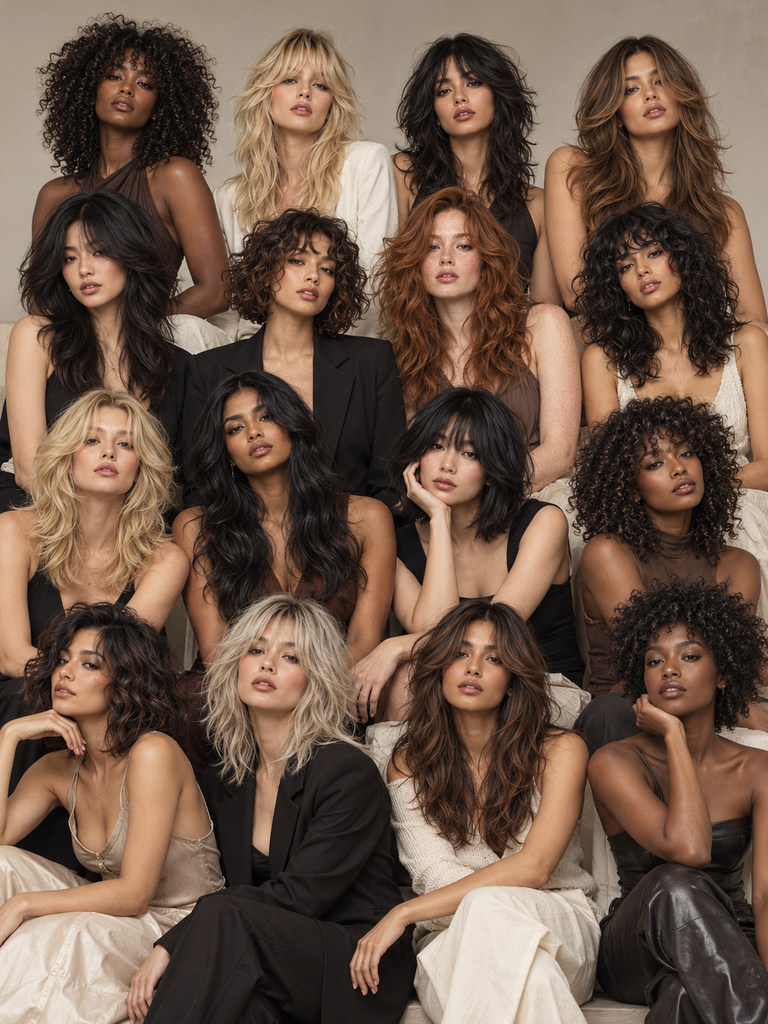
Classic Shag Haircut
The classic shag is a layered haircut featuring shorter layers around the crown and longer sections toward the ends. Inspired by hairstyles popular during the 1970s, it creates a casual, slightly messy appearance with plenty of movement. The layers help distribute volume throughout the hair while giving the style its distinctive shape. This haircut works especially well with naturally wavy hair but can also be adapted for straight and curly textures. Curtain bangs or wispy fringes can enhance its vintage-inspired appearance.
Modern Shag Haircut
The modern shag is an updated version of the traditional shag, featuring softer layers and a more balanced shape. It maintains the characteristic movement and texture of the classic shag while offering a contemporary finish. This hairstyle often includes face-framing pieces and subtle layers that blend naturally into the rest of the hair. It is suitable for individuals who want a relaxed appearance without making their haircut look excessively choppy.
Wolf Cut
The wolf cut combines elements of a shag haircut and a mullet, creating a hairstyle with significant volume around the crown and longer, textured ends. Its defining feature is the contrast between the shorter upper layers and the longer sections at the back. The wolf cut creates a bold, youthful appearance and is particularly attractive on naturally wavy or thick hair. Styling products such as texture spray or lightweight mousse can help enhance its layered shape.
Butterfly Haircut
The butterfly haircut features shorter face-framing layers combined with longer layers throughout the rest of the hair. These layers create the illusion of two different lengths while preserving the overall length. When styled with a round brush or blow-dryer, the layers sweep outward, resembling butterfly wings. This hairstyle is particularly suitable for medium to long hair and is popular among individuals who want volume and movement without sacrificing length.
Long Textured Layers
Long textured layers are designed to add movement and dimension to long hair while maintaining its overall length. The layers are distributed throughout the hair to reduce heaviness and prevent a flat appearance. This haircut is particularly useful for individuals with thick hair because it can remove excess bulk while preserving fullness. Soft waves or a smooth blowout can highlight the different lengths and create an elegant finish.
Medium-Length Shag
The medium-length shag typically falls between the shoulders and collarbone. It features textured layers that create body and movement without requiring very long hair. This hairstyle provides a balance between convenience and styling flexibility. It can be worn naturally tousled, softly curled, or styled with a diffuser for additional texture. Face-framing layers can further enhance its shape and complement different facial features.
Short Shag Haircut
The short shag is a compact, heavily layered hairstyle that usually ends above the shoulders. It features shorter layers around the crown, textured ends, and sometimes wispy bangs. This haircut creates a playful, modern appearance and can be particularly effective for adding dimension to short hair. It is a suitable choice for individuals who prefer lightweight hairstyles with a distinctive shape.
Shaggy Bob
The shaggy bob combines the structured length of a bob haircut with the relaxed texture of a shag. It typically ends around the jawline or chin and incorporates layers to create movement and softness. Unlike a traditional blunt bob, the shaggy bob has a less uniform cutting line. It works particularly well with wavy hair and can be styled with sea salt spray or texture-enhancing products for a casual finish.
Shaggy Lob
The shaggy lob is a shoulder-length hairstyle combining a long bob with textured layers. It offers more length than a shaggy bob while maintaining the characteristic movement of a shag haircut. The layers help prevent the hair from appearing heavy and create a soft, flowing silhouette. Curtain bangs or face-framing pieces are often added to enhance its appearance. This hairstyle suits individuals who want a fashionable haircut that remains practical for everyday styling.
Choppy Layered Haircut
The choppy layered haircut uses deliberately uneven layers to create separation and definition. Unlike softly blended layers, choppy layers are more noticeable and give the hairstyle an edgy appearance. This technique can be used on short, medium, or long hair. It is especially effective for creating visual texture in straight hair, although the final result depends on hair density and cutting technique. Styling wax or texture spray can help emphasize the individual layers.
Feathered Layers
Feathered layers are soft, finely textured layers that create a light and flowing appearance. The ends are shaped to blend smoothly, producing movement without harsh cutting lines. This hairstyle is inspired by classic feathered haircuts and is particularly attractive when styled with a round brush. Feathered layers can frame the face and create a gentle, elegant silhouette. They are suitable for individuals who prefer a polished hairstyle with natural movement.
Curly Shag
The curly shag is designed to complement naturally curly hair through carefully placed layers. These layers distribute volume and help prevent excessive bulk around the lower sections of the hair. The result is a balanced, rounded shape that allows curls to maintain their natural definition. Because curly hair shrinks as it dries, the haircut should account for curl pattern and shrinkage. Moisturizing products and curl-defining creams can help maintain its appearance.
Wavy Shag
The wavy shag highlights natural waves through soft, textured layers. It is particularly suitable for individuals whose hair already has some natural movement. The layers enhance wave definition and create a relaxed, effortless appearance. This hairstyle usually requires less structured styling than a sleek haircut. A diffuser, lightweight mousse, or texture spray can help enhance the waves while maintaining softness.
Shag with Curtain Bangs
The shag with curtain bangs combines textured layers with a fringe that parts near the center and sweeps toward both sides of the face. The bangs blend into the surrounding layers, creating a soft and balanced appearance. This hairstyle draws attention to the eyes and cheekbones while maintaining the characteristic movement of a shag. Curtain bangs can be adjusted in length to suit different face shapes and styling preferences.
Razor-Cut Layers
Razor-cut layers are created using a hairstyling razor to produce soft, textured ends and a lightweight appearance. This technique can create movement and separation without the strong lines associated with certain scissor cuts. Razor cutting is particularly effective on some straight and wavy hair types, although suitability depends on the condition and texture of the hair. A skilled hairstylist can determine whether the technique will achieve the desired result without increasing unwanted frizz.
Soft Face-Framing Layers
Soft face-framing layers are designed to shape the hair around the face while blending naturally into the remaining length. They may begin near the cheekbones, jawline, or chin, depending on the desired appearance. These layers can soften the overall hairstyle and highlight facial features. They work well with both medium and long hair and can be combined with waves, curls, or straight styling. This haircut is particularly suitable for individuals seeking a subtle change without removing significant length.
How to Choose the Right Textured Layer or Shag Hairstyle
Choosing the best textured hairstyle depends on hair texture, density, face shape, and personal styling preferences. Individuals with thick hair may benefit from layered cuts that reduce excessive weight and improve movement. People with fine hair may prefer fewer, strategically placed layers to avoid making the ends appear thin. Naturally curly hair often requires customized layering to maintain curl definition and control volume.
Face shape can also influence the desired haircut. Longer face-framing layers may create a flattering effect around round faces, while soft bangs and feathered sections can complement angular features. However, no hairstyle is restricted to a particular face shape. The most suitable choice is one that reflects personal preference and works with the hair’s natural characteristics.
Styling and Maintenance Tips
Textured layers and shag hairstyles are generally designed to create movement, but their maintenance requirements vary according to length, hair type, and cutting technique. Short shags and heavily layered haircuts may require more frequent trimming to preserve their shape, while longer textured layers can often be maintained with less frequent appointments.
Lightweight styling products can help define the layers without weighing down the hair. Texture sprays and mousses are useful for enhancing movement, while curl creams and leave-in conditioners can support curly and wavy textures. Heat-protectant products should be used before blow-drying, curling, or straightening the hair. Gentle detangling and regular conditioning can also help prevent breakage and maintain healthy-looking ends.
For a naturally tousled appearance, the hair can be air-dried or dried using a diffuser. Individuals seeking a smoother finish may use a round brush and blow-dryer to shape the layers. The styling method should complement the haircut while minimizing unnecessary heat exposure.
